


Understanding Stucco Remediation Options in Chester County, PA
Understanding Stucco Remediation Options in Chester County, PA
Stucco repair addresses surface cracks or isolated damage. Stucco remediation removes stucco to correct hidden flashing failures causing moisture intrusion. Chester County, Pennsylvania homeowners facing rot or widespread water damage typically need remediation, not repair. LePore Stucco Services LLC, a third-generation, family-owned exterior contractor based in Avondale, PA, brings decades of hands-on, building-science-driven experience to every project. The team diagnoses failures at their true source, whether flashing, sealant, or structural, using the highest quality products and materials with in-house trained technicians to deliver a lasting, verifiable result.
Key Takeaways
Stucco remediation addresses underlying moisture damage and structural issues, while repair fixes surface cracks and cosmetic damage only.
Chester County homeowners face common stucco problems including cracking, staining, and moisture infiltration requiring professional assessment and solutions.
Remediation costs vary based on home size, window and door count, and hidden damage discovered during the removal process.
Modern stucco installations use cement, sand, lime, and water compounds, providing long-lasting exterior protection for southeastern Pennsylvania homes.
What's the Real Difference Between Repair and Remediation?
Two words get used interchangeably across Chester County, yet they describe entirely different scopes of work. Stucco repair vs remediation comes down to depth: one treats a symptom, the other treats a cause. Confusing the two costs homeowners time and money when a patched wall hides rot that keeps spreading behind the surface.
Stucco repair fixes damage at the surface level, often after an outside force strikes the wall, such as a ladder impact or settling crack. It's targeted, quicker, and appropriate when the underlying wall assembly is still sound. Stucco remediation Chester County PA projects go far deeper. Remediation resolves the root causes of a failing stucco system, correcting the flashing, water management, and moisture pathways that caused damage in the first place.
Repair | Remediation |
Surface-level fix | Full system correction |
Addresses impact or minor cracking | Addresses trapped moisture and rot |
Faster, lower scope | Often includes material and weatherproofing upgrades |
How do homeowners know which one their house needs?
Chester County homeowners facing cracking, staining, or persistent moisture often wonder whether their situation calls for repair or full remediation. The answer depends on whether damage stays at the surface or has already reached the substrate underneath.
What Moisture Warning Signs Should Homeowners Watch For?
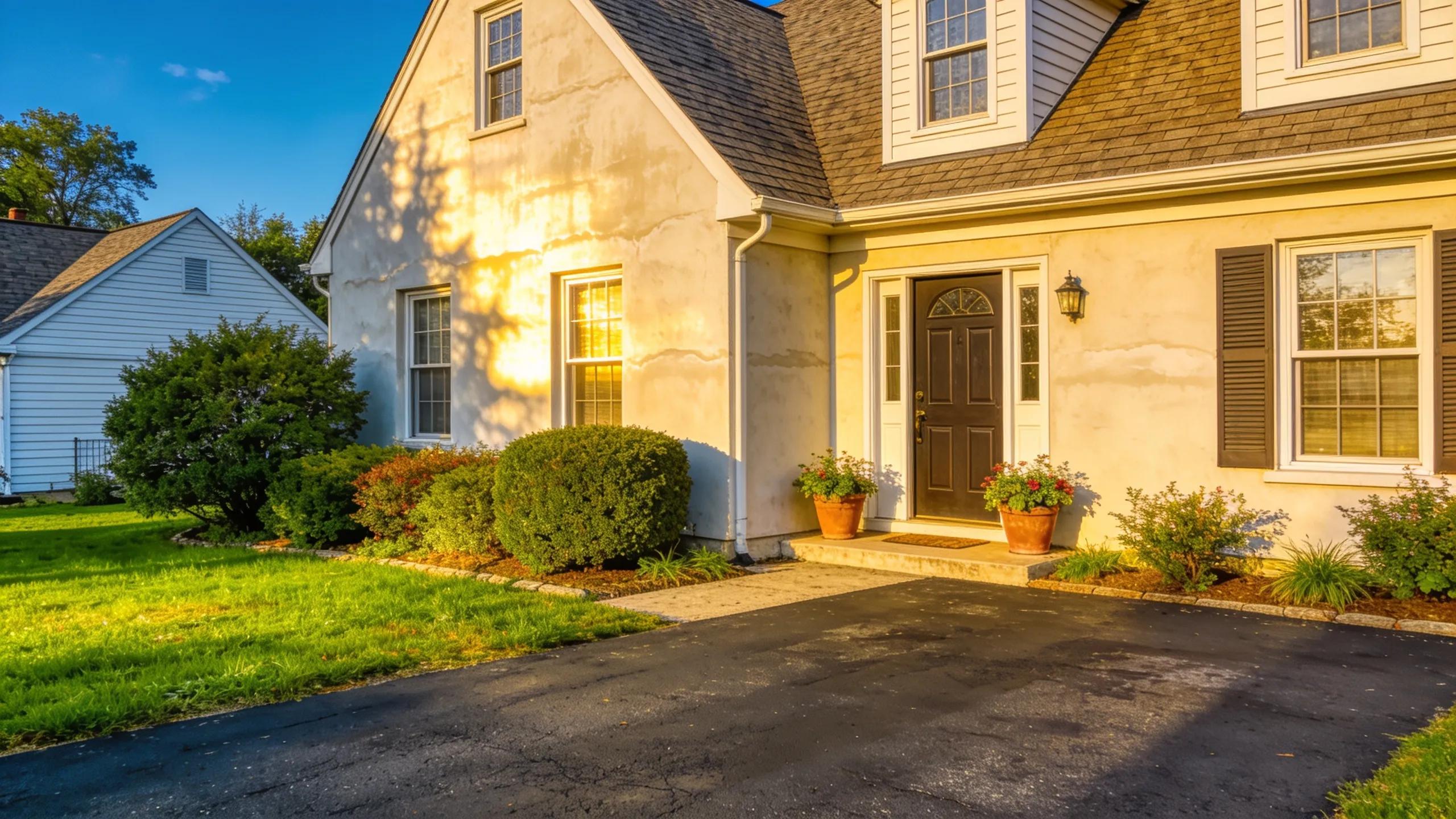
Cracks, dark staining, and stucco sections that pull away from the wall rarely stay cosmetic for long. These signs point to stucco moisture intrusion Chester County homeowners cannot afford to ignore. They often trace back to improper installation, missing moisture barriers, or structural weaknesses hiding beneath the surface. Chester County's mix of older stucco homes and newer construction means both installation eras show these patterns.
Many homeowners across southeastern Pennsylvania are only now discovering their stucco exteriors in serious disrepair. The damage rarely happens overnight. Water frequently seeps behind stucco cladding for years before any visible symptom appears, quietly rotting framing, insulation, and sheathing while the wall looks intact from the curb.
How can homeowners tell if damage has spread beneath the stucco?
Surface appearance alone will not confirm what's happening inside the wall assembly. Stucco rot diagnostics typically require moisture meter readings, probing at vulnerable transitions, or removing small sections to inspect the sheathing directly. A trained Southeastern PA stucco contractor can identify which warning signs demand deeper investigation.
Homeowners should watch for:
Staining or streaking below windows, doors, or roof lines
Cracks radiating from corners or openings
Soft, spongy, or bulging stucco sections
Musty odors near exterior walls
Visible gaps at flashing or trim joints
Because every home's layout, window count, and construction differ, the extent of hidden damage varies from house to house.
How Do You Choose the Right Fix?
The right fix depends on where water enters a home and how far damage has spread beneath the surface. Stucco repair vs remediation decisions in Chester County hinge on diagnosis, not guesswork. A homeowner who skips proper diagnostics risks paying twice: once for a patch, then again for the tear-out that patch couldn't prevent.
Chester County properties, from wooded lots near French Creek to older colonials throughout the county, share the same vulnerable points. LePore Stucco Services, based in Avondale, PA, works throughout Chester County homes weighing these choices, and the assessment always starts at the true sources of intrusion:
Roof-to-wall intersections
Window and door openings
Deck and chimney interfaces
Pipe and vent penetrations
Correcting these details resolves most failures without a full tear-off.
Should a Homeowner Trust an Existing Inspection Report?
Yes, when it's used as a starting point rather than a final verdict. Many Chester County homeowners arrive already holding a moisture or stucco moisture intrusion Chester County inspection report. That documentation gets reviewed carefully to build a prioritized plan targeting root causes, not just visible symptoms.
What Confirms a Repair Will Actually Hold?
Verification matters more than promises. Projects backed by Moisture Free Certification. Warranty options through Moisture Free Warranty give Chester County homeowners a documented, standards-based outcome they can rely on for years.
Why Chester County Homeowners Trust LePore Stucco Services
LePore Stucco Services LLC is a third-generation, family-owned contractor based in Avondale, PA, and that legacy shapes how every project runs. The company's approach is rooted in building science: most exterior failures start with missing or improperly executed flashing at roof-to-wall intersections, window and door openings, deck and chimney interfaces, and pipe or vent penetrations, not with the stucco itself. Diagnosing the true source of intrusion first is what lets LePore resolve most failures without a full tear-off.
That building-science foundation extends beyond stucco. Because water management principles apply across siding types, the same attention to kick-out flashing, window pan flashing, and sealed penetrations carries over to homes finished in fiber cement or vinyl. Projects are backed by Moisture Free Certification, with warranty options available through Moisture Free Warranty, giving homeowners a documented, standards-based outcome rather than a verbal assurance.
Every project also runs on daily site organization and photo documentation, so homeowners can see exactly what was found and what was corrected behind the wall. LePore serves homeowners throughout Chester County and Delaware County, Pennsylvania, and New Castle County, Delaware, work that typically starts with a consultation and an inspection-driven scope, so the plan reflects the actual condition of the wall assembly rather than an estimate made from the curb.
What Does a Stucco Remediation Project Actually Involve?
Homeowners weighing repair against remediation benefit from knowing what the process looks like once work begins. A typical LePore project follows a consistent, inspection-driven sequence:
Initial consultation and quote request, often building on an existing moisture or stucco inspection report the homeowner already has
On-site assessment targeting the true sources of intrusion: roof-to-wall intersections, window and door openings, deck and chimney interfaces, and pipe or vent penetrations
Prioritized scope of work that addresses root causes first, avoiding unnecessary demolition where a targeted correction will hold
Removal of affected stucco and inspection of the sheathing, framing, and flashing underneath to confirm the true extent of damage
Correction of flashing, sealing, and water management details before any new stucco or siding material goes back on
Daily site organization and photo documentation throughout, so homeowners can see what was found and what was corrected
Final walkthrough backed by Moisture Free Certification, with warranty options available through Moisture Free Warranty
FAQ
What is the main difference between stucco repair and stucco remediation?
Repair fixes surface-level damage like impact cracks or settling. Remediation removes stucco to correct hidden flashing failures and moisture pathways causing rot. Remediation addresses root causes; repair only treats symptoms on an otherwise sound wall.
What warning signs indicate a home needs remediation instead of repair?
Cracks, dark staining, and stucco sections pulling away from the wall signal moisture intrusion reaching the substrate. These signs often trace back to improper installation or missing moisture barriers hidden beneath the surface.
Why does stucco damage often go unnoticed until it becomes severe?
Water frequently seeps behind stucco cladding for years before visible symptoms appear, quietly rotting framing, insulation, and sheathing. The wall can look intact from the curb while significant damage spreads underneath.
Conclusion
In closing, the distinction between stucco repair and remediation hinges on understanding water's path through your exterior envelope. Targeted repairs address visible damage and seal vulnerable transitions, the true sources of intrusion. Remediation tackles deeper structural compromise when moisture has already penetrated the building assembly. By prioritizing inspection-driven diagnosis over assumption, Chester County homeowners avoid unnecessary demolition and invest in solutions that restore lasting protection. The goal remains constant: stop water at its entry point and preserve your home's integrity for years to come.
Comments